We Have an
Opportunity
From 2005 to 2015, The King’s Academy entered a different kind of season. The question was no longer simply whether the school could survive. It was how faithfully it would steward stability, growth, community, and opportunity.
A decade of
stability and growth.
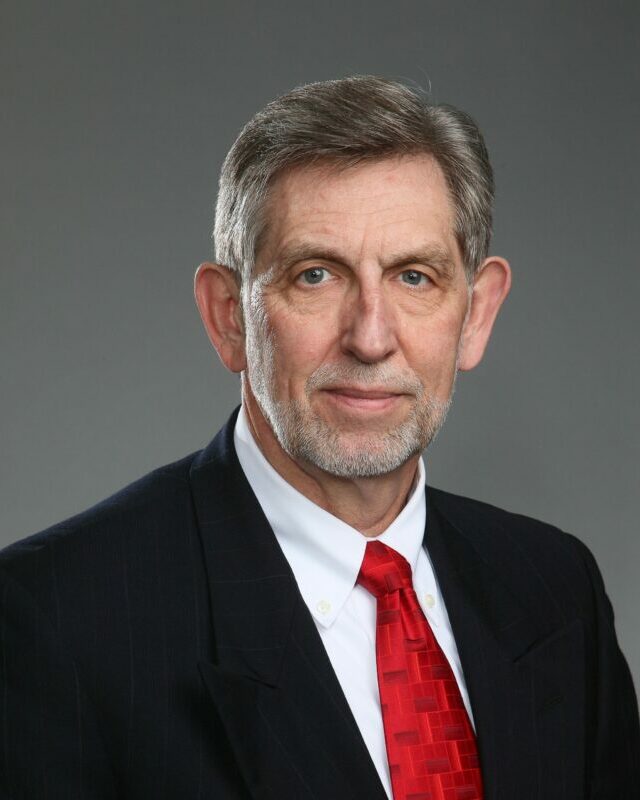
In Session IV of A Venture of Faith, Volume II, Dr. Walter Grubb reflects on the years from approximately 2005 to 2015, when a stronger sense of identity, community, and consistency opened the door to a new season of growth.
The story continues
The King’s Academy had spent years fighting for stability. By the middle of the 2000s, something had changed. People understood who the school was.
Stability created room to build.
Mission, academic excellence, international community, and school culture are increasingly understood and embraced.
Technology, cultural shifts, and economic pressure force schools to adapt while remaining grounded.
TKA launches its first formal capital campaign since 1980.
The new multipurpose facility is dedicated debt-free on April 15.
Everyone seemed to understand who they were.
Looking back on the years from roughly 2005 to 2015, Dr. Grubb returns to one word again and again.
Stability.
The mission had become clearer. Academic excellence was firmly part of that mission. International students were no longer viewed as an additional program. They were an inseparable part of the school’s identity.
The academy also enjoyed stronger relationships throughout Sevier County.
Dr. Grubb was active in Rotary, Chamber leadership, and other parts of the community. From his perspective, the county embraced the academy in a way he had not seen before.
There was turnover, as there always is. Administrators changed. Faculty members came and went.
But underneath those changes was a strong core of people who understood the mission and believed in it.
Everyone seemed to understand who we were.
Dr. Walter Grubb
Visiting accreditation teams noticed it too.
They regularly described a strong family atmosphere.
Teacher-student relationships were strong. Faculty members embraced academic excellence. Administrators and trustees shared a sense of direction.
Dr. Grubb remembers the atmosphere with another word.
Community.
Mission did not have to be protected by fear when it was already deeply shared.
A changing culture required greater clarity.
The wider world was changing.
Technology was becoming impossible to separate from education. New teachers arrived with stronger preparation in educational technology and helped veteran faculty adapt.
The economic upheaval of 2008 and 2009 affected families and institutions across the country.
But another change was more fundamental.
Christian educators increasingly recognized that some assumptions they had once taken for granted could no longer be assumed.
Cultural attitudes were changing. Professional organizations and educational institutions were adopting positions the academy believed conflicted with a biblical worldview.
The line was becoming clearer.
What do we believe?
And are we willing to communicate it clearly?
That clarity affected admissions as well.
More families were discovering The King’s Academy and expressing interest.
But leaders had to make sure families understood that TKA was not simply a private alternative to public education.
It was a distinctly Christian school.
Families did not have to arrive already agreeing with every theological conviction.
But they did need to understand the environment they were entering and be willing to support it.
We became more specific.
Dr. Walter Grubb
Growth created a challenge the academy had once only dreamed of having.
More students meant more opportunity. It also meant less room.
The elementary division had grown steadily. Overall enrollment was increasing.
The Luther Ogle Building was filling with students. Existing classrooms were being used.
Leadership began wrestling with a new question.
If more students kept coming, where would they go?
Temporary classrooms were discussed. Trustees were not enthusiastic.
Master plans appeared. Architectural renderings explored new middle schools, new high schools, additions, and other possibilities.
The ideas were exciting.
They were also expensive.
What leaders initially believed the campus needed.
What the school’s network was believed capable of raising.
Approximate cost of the new multipurpose building.
The academy had not conducted a formal capital campaign since 1980.
Dr. Grubb admits fundraising was not a part of leadership he naturally enjoyed.
But the need was clear.
The board invited several consulting groups to make proposals.
The JF Smith Group of Auburn, Alabama, was selected to conduct a feasibility study.
School leaders initially believed they needed approximately $20 million.
The study brought that vision back to reality.
The academy’s alumni and donor network, consultants believed, could support a campaign of approximately $3.5 million.
So the school went back to the drawing board.
Celebrating Our Past Together.
Building Our Future.
Early plans focused on six new classrooms with room to expand later.
Then another pattern became obvious.
A significant number of alumni and friends wanted to support athletics.
The school needed classrooms. Athletics needed indoor space.
The two priorities came together.
The concept evolved into a multipurpose building with classroom space, locker rooms, restrooms, and a large indoor training area.
Every board member participated.
The gifts were not equal in amount. The expectation was equal sacrifice.
A vision became a building.
Alumna Paul Tibbetts embraced the concept after seeing the plans.
Dr. Grubb remembers showing her a drawing with her name already placed on the building.
She teared up.
The campaign opened doors beyond the original project.
Miss Tibbetts attended the building dedication with her daughters.
During lunch in the school cafeteria, they noticed something immediately.
It was loud.
Block walls, a hard floor, and other reflective surfaces made ordinary conversation difficult.
That observation led to another act of generosity.
The Tibbetts family supported a major renovation of the cafeteria, including softer surfaces, improved lighting, new furniture, and other upgrades.
Their generosity also created a separate dining room used for board meetings and smaller gatherings.
Brandes Family Dining Room
A better environment for conversation, meetings, meals, and community.
For Dr. Grubb, the lesson was simple.
Good things sometimes happen when leaders are willing to move beyond what feels comfortable.
Trips stopped being only about where students went.
They became about whom students served.Service became part of the experience.
For years, junior and senior class trips had taken students to places such as Washington, New York, Detroit, Niagara Falls, and Gettysburg.
They were educational. They were memorable. They were fun.
Then teachers and students began asking whether those experiences could become something more.
Teachers including Angie Griffin and Jeff Ayers helped encourage a stronger service component.
Over time, service became a meaningful part of class trips across multiple grade levels.
We should not just be going out to learn and have fun. We should serve others.
Dr. Walter Grubb
The most significant example became an annual trip to Guatemala.
Students traveled into remote communities and worked alongside families.
They built structures for raising rabbits and chickens, helping provide food and potential sources of income.
They constructed safer stoves that moved dangerous cooking fires away from living spaces.
They led activities for children in mountain villages.
The trip became more than travel.
It became formation.
Practical tools for families.
Communities with tangible needs.
From people and places beyond campus.
With a larger view of Christian service.
Traditions invited the community onto campus.
The annual carnival evolved into one of the school’s signature community traditions.
Campus lights, choirs, living Christmas cards, and a live nativity drew large crowds.
Families gathered on the baseball field for outdoor movies and concessions.
Residential life remained one of the academy’s most distinctive ministries.
Dr. Grubb does not tell the story of residential life without first talking about the people who served students.
What had once simply been called dorm staff increasingly became recognized as Residence Life faculty.
The distinction mattered.
Residential work was ministry. It required professionalism, development, extraordinary time, and a particular calling.
These faculty members were caring for students whose school was also their home.
The responsibility never ended when classes dismissed.
Students came from around the world.
They became classmates, athletes, artists, leaders, roommates, and friends.
Many eventually returned to their home countries and entered careers and leadership roles.
Dr. Grubb describes the opportunity to serve them as both a responsibility and a privilege.
One tradition perhaps captured the international community better than anything else.
International Food Fest
Students shopped for ingredients, prepared foods from their home countries, and shared them with the school community.
The event became so popular that TKA eventually had to stop promoting it widely.Commencement became another way to widen students’ world.
Dr. Grubb wanted graduates to know their commencement mattered enough to invite leaders of consequence to speak into their lives.
Dr. Grubb had once seen the academy begin a school year with only 79 students.
During this later era, enrollment reached approximately 500.
But his strongest memories are not only about numbers, buildings, or programs.
They are about a cohesive team. Administrators, faculty, staff, trustees, students, and parents who understood what they were trying to build together.
Stability was never the finish line.
It created room to see possibility differently.
Every challenge carried an opportunity.